
"entered Central and South America."
700 article(s) found

Introduction to the Flavor and Taste of Coffee Manor in Ecuador
West coast: including coastal plains and foothills, high in the east and low in the west, generally below 200 meters above sea level, with some hills and low mountains at an altitude of 600 to 700 meters. Belongs to the tropical rain forest climate, the southernmost end begins to transition to the savanna climate. The average annual precipitation decreases from more than 3000 mm to about 500mm from north to south. Central Mountains: the Andes enter Ecuador from Colombia
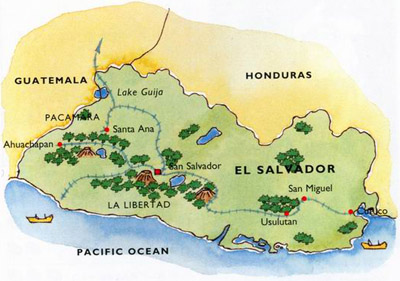
World Fine Coffee El Salvador Manor beans: El Salvador Coffee Cafe de El Salvador
Country profile Republic of El Salvador, Repblica de El Salvador in Spanish, the Republic of El Salvador in English. It is located in Central America, bordering Guatemala and Honduras in the north, and the Pacific coastline in the west and south. The smallest country in Central America and the most densely populated country in Central America. The land area is 21393 square meters

Introduction to Galapagos Coffee with unique aroma of Ecuadorian Coffee Manor
West coast: including coastal plains and foothills, high in the east and low in the west, generally below 200 meters above sea level, with some hills and low mountains at an altitude of 600 to 700 meters. Belongs to the tropical rain forest climate, the southernmost end begins to transition to the savanna climate. The average annual precipitation decreases from more than 3000 mm to about 500mm from north to south. Central Mountains: the Andes enter Ecuador from Colombia

Coffee Entering China Time Imported Coffee Local Coffee Coffee History Origin
As Starbucks 'banshee image gradually became familiar to Chinese people, Chinese coffee culture slowly entered the lives of Chinese people. Throughout the history of coffee culture in China, perhaps we can find the footsteps of coffee, the birthplace of the ancient Arab culture invading the world tea culture. History records that as early as 2,000 BC, Ethiopia's Ajiao people had already been in
High quality and balanced taste characteristics of Peruvian organic coffee
Peru: organic coffee flavor and taste characteristics: high quality and balanced, palatable acidity, can be used for mixed drinks. Peruvian coffee cultivation history is not long, but as a rising star, Peruvian coffee is gradually opening up its popularity and entering the international market. Peru is located in western South America, with a coastline of 2254 kilometers. The Andes runs from north to south, and the mountains account for 1% of the total area of the country, which belongs to tropical sand.

Taste smooth Peruvian Coffee Flavor Manor characteristics of Organic Coffee Fine Coffee
The country is divided into 24 provinces and one directly affiliated region (Kaya). The names of the provinces are as follows: Amazon

Production of organic coffee boutique coffee beans in Peru
Peru: organic coffee flavor and taste characteristics: high quality and balanced, palatable acidity, can be used for mixed drinks. Peruvian coffee cultivation history is not long, but as a rising star, Peruvian coffee is gradually opening up its popularity and entering the international market. Peru is located in western South America, with a coastline of 2254 kilometers. The Andes runs from north to south, and the mountains account for 1% of the total area of the country, which belongs to tropical sand.

Rich and sweet Peruvian coffee flavor manor production area introduces Peruvian organic coffee
Peru's finest coffee is produced in Chaximayo, Cusco, Note and Puno. Most Peruvian coffee is grown under natural conditions, but it is also difficult to confirm the cultivation of all coffee trees. Coffee grown under natural conditions costs 10% more than others and is exported to the United States and Japan. The quality of Peruvian coffee is comparable to that of any kind of coffee in Central or South America. Peru
Introduction of Cepro Yanesha COOP of Yanisha Cooperative in Chanchamayo producing area of Central Peru
Professional coffee knowledge exchange more information about coffee beans Please follow the coffee workshop (Wechat official account cafe_style) Coffee is one of Peru's largest yielding staple crops. In addition, Peru accounts for the largest share of the organic and fair trade coffee market and is one of the largest coffee exporters in the world. Peru has a variety of regions and climates, and produces a lot of

Introduction to taste treatment of brand flavor description in graded production area of Peruvian coffee beans
Peru's finest coffee is produced in Chaximayo, Cusco, Note and Puno. Most Peruvian coffee is grown under natural conditions, but it is also difficult to confirm the cultivation of all coffee trees. Coffee grown under natural conditions costs 10% more than others and is exported to the United States and Japan. The quality of Peruvian coffee is comparable to that of any kind of coffee in Central or South America. Peru

Lim Dong-Won talks about coffee: also making coffee, what's the difference between a part-time barista and a full-time barista?
Professional baristas please follow the coffee workshop (Wechat official account cafe_style) in recent years, Lim Dong-Won, one of the vanguards of Taiwan coffee culture, has been promoting the simplicity and value of how to enjoy coffee, so that coffee can really enter the realm of taste, but also into life, so that the local coffee culture can take root, grow a real Taiwanese coffee. Q: from the convenience store.

American coffee what are the American coffee producing areas the characteristics of American coffee beans
Professional coffee knowledge exchange more coffee bean information please follow the coffee workshop (Wechat official account cafe_style) understanding Central American Coffee-Central America is the land bridge connecting North and South America, there are seven countries, namely, Belize, Costa Rica, El Salvador, Guatemala, Honduras, Nicaragua and Panama. All seven countries in Central America produce coffee, including Guatemala

How about the flavor of Peruvian coffee beans describe the planting history and characteristic producing areas
Exchange of professional baristas Please follow the coffee workshop (Wechat official account cafe_style) Peruvian coffee as a rising star of the coffee industry, Peruvian coffee is gradually opening up its popularity and entering the international market. Peruvian coffee has always been used as one of the stable and mellow mixed beans of comprehensive coffee. Peruvian coffee tastes mellow and has the right acidity.

Differences in description of flavor and taste of coffee bean varieties in three major coffee producing areas
Description of the original flavor of coffee beans in the three major coffee producing areas (Minita). The land is owned by the last three generations of the McAlpine family in the UK. In fact, this land can produce more than 450 tons of coffee a year. But Tarasu Latin American coffee is grown without artificial fertilizers or insecticides, and its harvest and selection are all done by hand.
Description of flavor, taste and aroma characteristics of boutique coffee beans in Santa Cruz Manor
In the mid-15th century, there were legends about enchanted mysterious islands among fishermen fishing in the western Pacific Ocean of South America. It is said that the islands can sometimes be seen clearly from a distance, but when the ship approaches, it disappears again; sometimes it looks like a galleon, sometimes it shows the shape of a witch. The fishermen called these islands Magic Island and thought it was there.

Introduction to the flavor and taste of Colombian coffee manor with bright and high-quality acidity
Colombia is fortunate to have Atlantic and Pacific ports, which helps to reduce the cost of transporting coffee. In South America, she is the only country with this condition. The main production areas of Colombia are in the central and eastern mountains. The most important plantations along the central mountains are located in Medellin, Almenia and Manisales. In the above three areas

Honduras Coffee Estate Flavor Taste Introduction San Barra Estate
Following in the footsteps of Venezuelan President Hugo Chavez and other leftist Latin American strongmen, Zelaya wants to change the constitution and extend his term. Hong Kong's constitution stipulates that the president shall serve for a term of four years and shall not be re-elected. Selaya's term of office will be withdrawn next year. He was originally scheduled to hold a constitutional referendum on the 28th, but was strongly boycotted by his own political party and the military. The Supreme Court also ruled on this extension last week.

Introduction of Peruvian organic coffee with high quality and balanced acidity
Flavor and taste characteristics: high-quality and balanced, palatable acidity, can be used for mixed drinks, Peruvian coffee does not have a long history, but as a rising star, Peruvian coffee is gradually opening up its popularity and entering the world. Peru is located in western South America, with a coastline of 2254 kilometers. The Andes runs from north to south, and the mountains account for 1% of the country's area. it belongs to the tropical desert region and has a dry climate.

Flavor description of Costa Rican coffee beans
In Costa Rica, in addition to the coffee bars in the north and south, the unique highland volcanic soil environment, acidic soil and trace elements, high altitude and suitable difference between day and night make Arabica coffee grown in this land. Unique boutique grade high-quality coffee. Tarrazu Tarazhu producing area is the best coffee producing area in the country, with high quality coffee.

Colombian Coffee Culture how to drink Coffee
Colombia is located in northwestern South America, bordered by the Pacific and Atlantic oceans. Panama in the northwest, Venezuela in the east, Brazil in the southeast, Peru in the south and Guadore in the southwest. Colombian Coffee Culture in 1808, a priest first introduced coffee to Colombia from the French Antilles via Venezuela. Today the country is the second largest after Brazil